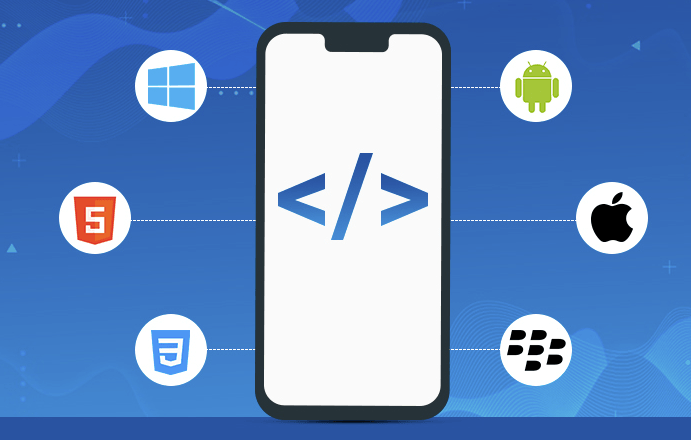
Cross-Platform Blockchain Apps operate by abstracting platform-specific differences through standardized interfaces and interoperable protocols. They enable modular integration and autonomous operation across devices while centralizing latency and fee awareness to guide adaptive routing. Governance remains standards-driven to preserve trust and avoid vendor lock-in, with rich cross-chain and wallet orchestration supporting security and performance. The approach emphasizes resilient UI/UX, data synchronization, and offline readiness, leaving a clear path for coordinated implementations and ongoing evaluation.
How Cross-Platform Blockchain Apps Work Seamlessly Across Devices
Cross-platform blockchain applications achieve seamless operation across devices by abstracting platform-specific differences through standardized interfaces and interoperable protocols. The approach emphasizes modular integration, standardized data models, and decoupled components to enable autonomous operation while preserving user choice. Latency management and network fees are monitored centrally, informing adaptive routing and resource allocation to maintain performance, security, and freedom across diverse environments.
Choosing the Right Cross-Chain and Wallet Architecture
Systems thinking guides modular integration of cross chain wallets and cross platform adapters, enabling flexible workflows and independent updates.
Standards-driven governance reduces friction, while platform-agnostic abstractions preserve freedom to evolve architectures without vendor lock-in.v
Balancing Security, Performance, and Interoperability
The approach emphasizes secure isolation where needed, latency optimization across modules, and robust cross chain messaging.
Wallet orchestration coordinates access, while standards-driven governance enables seamless integration, enabling freedom-aware ecosystems to evolve without sacrificing trust, compatibility, or responsiveness.
Practical Patterns: UI/UX, Data Sync, and Offline Scenarios
Practical patterns for cross-platform blockchain apps center on user-centric interfaces, synchronized data across environments, and resilient behavior during offline periods.
A systems-thinking approach governs UI/UX, data flow, and state management, aligning standards and integration.
Debounce input reduces noise; cache rendering minimizes churn while preserving consistency.
The design supports freedom-seeking teams, enabling reliable, interoperable experiences across devices, networks, and trust domains.
See also: Digital Health Monitoring Devices
Frequently Asked Questions
How Do Cross-Platform Apps Handle On-Device Cryptographic Key Management?
Cross platform apps secure on-device cryptographic keys by isolating key material in trusted environments, leveraging standardized vault interfaces and platform-specific encryption, and employing interoperable key management protocols to enable seamless, user-empowering integration across ecosystems.
What Are the Hidden Costs of Cross-Chain Integration for Startups?
Hidden costs arise from cross chain multi device orchestration, requiring robust key management; systemic integration reveals standards-driven frictions, governance opacity, and vendor lock-in, yet startups pursue freedom by aligning architecture with interoperable protocols and disciplined cost-aware planning.
How to Ensure User Privacy Across Multi-Device Sessions?
To ensure user privacy across multi-device sessions, the system enforces privacy controls and maintains session continuity, aligning with standards-driven protocols and integration-focused architectures that preserve user autonomy while enabling seamless, secure cross-device experiences.
Can Blockchain Apps Function Offline Without Compromising Security?
In offline mode security is feasible: a hypothetical wallet preserves integrity via cryptographic hashes while operations occur locally, then synchronizes upon reconnect. It relies on secure local key storage and robust end-to-end integration standards for trustless resilience.
Which Governance Models Best Suit Cross-Platform Blockchain Ecosystems?
Governance models favoring federation, layered consensus, and modular standards best suit cross-platform ecosystems, enabling governance decentralization and cross chain interoperability while maintaining system-wide interoperability, security, and freedom through transparent, standards-driven, integration-focused design principles.
Conclusion
In a world where devices pretend to be distinct, cross-platform blockchain apps quietly choreograph a symphony of sameness. Standards guide every handshake, yet engineers marvel at the elegance of decoupled components that pretend not to compete. Latency and fees become mere data points, invisible puppeteers steering adaptive routing. The UI, offline mode, and data sync perform their routines with robotic grace, proving that unity masquerades as choice, while interoperability quietly violents complexity into manageable harmony. Irony, organized.